Categoría: Sin categoría

  • Experiences: Wine and Its Effects on the Body
    Experiences: Wine and Its Effects on the Body

    Experiences: Wine and Its Effects on the Body

    The effects of wine on the human body are diverse and mostly positive. Apart from being a highly appreciated and enjoyed beverage in different cultures around the world, wine also offers health and wellbeing benefits.

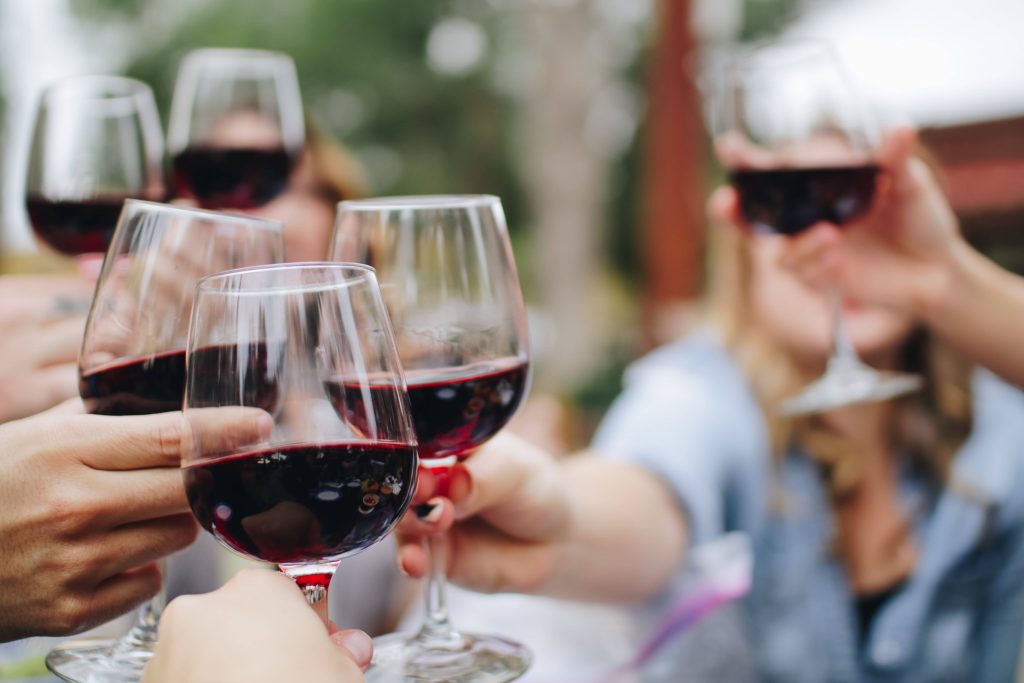
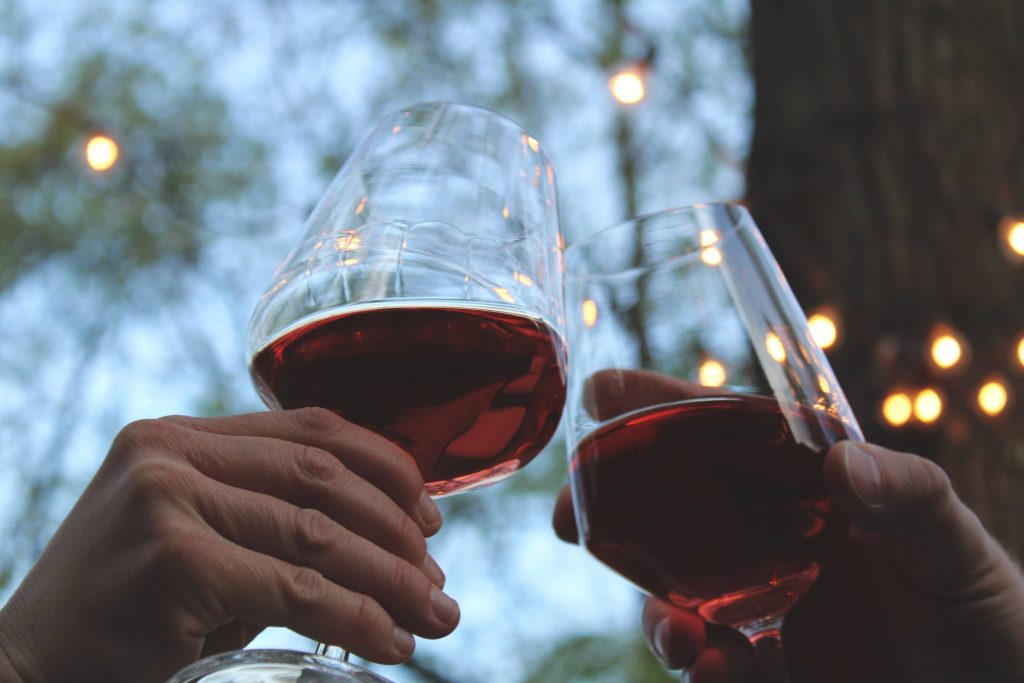
    Socially, wine has been considered for centuries as a drink that promotes conviviality and enjoyment in company. Sharing a glass of wine with friends or family can create a relaxed atmosphere conducive to conversation and interpersonal connection. Additionally, tasting different types of wine can become a cultural experience in which one learns about grape varieties, wine regions, and production techniques.

    Biologically, wine contains natural antioxidants, such as polyphenols, which help protect the body’s cells against damage caused by free radicals. These antioxidants may help prevent cardiovascular diseases, as they help reduce the oxidation of LDL cholesterol (known as «bad» cholesterol) and improve blood vessel function.

    Moreover, red wine in particular contains resveratrol, a natural compound found in the skin of red grapes. Resveratrol has been the subject of numerous studies due to its potential health benefits. It has been suggested that it may help reduce the risk of heart diseases, by improving endothelium function, which is the inner lining of blood vessels. It has also been associated with reducing inflammation and decreasing blood clot formation.

    Additionally, wine, when consumed in moderation, can help relax muscles and reduce stress. Some studies have shown that moderate wine consumption can have positive effects on mental health, contributing to reducing levels of anxiety and depression.

    It is important to highlight that, while wine can have health benefits, its consumption should be moderate and responsible. The World Health Organization recommends that men should not exceed two glasses of wine per day, while women should not exceed one glass daily.

    In summary, wine can have positive effects on the human body, both socially and biologically. Sharing a glass of wine can strengthen bonds and promote conviviality, while its natural antioxidants and compounds like resveratrol can help protect cardiovascular health and reduce stress. However, it is important to remember that wine consumption should be moderate and always within the recommended limits.

  • Chile and Its Ideal Climate for Wine Making
    Chile and Its Ideal Climate for Wine Making

    Chile and Its Ideal Climate for Wine Making

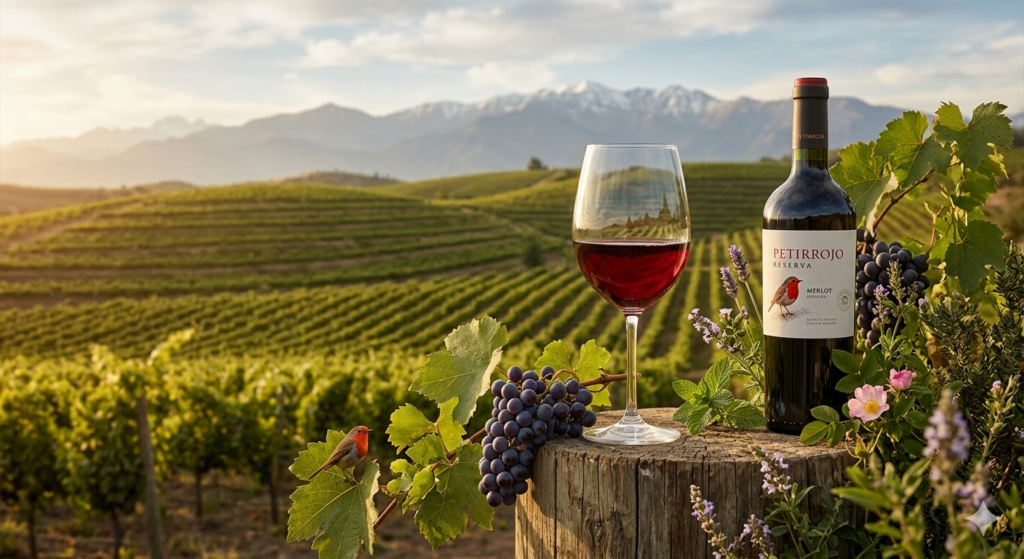
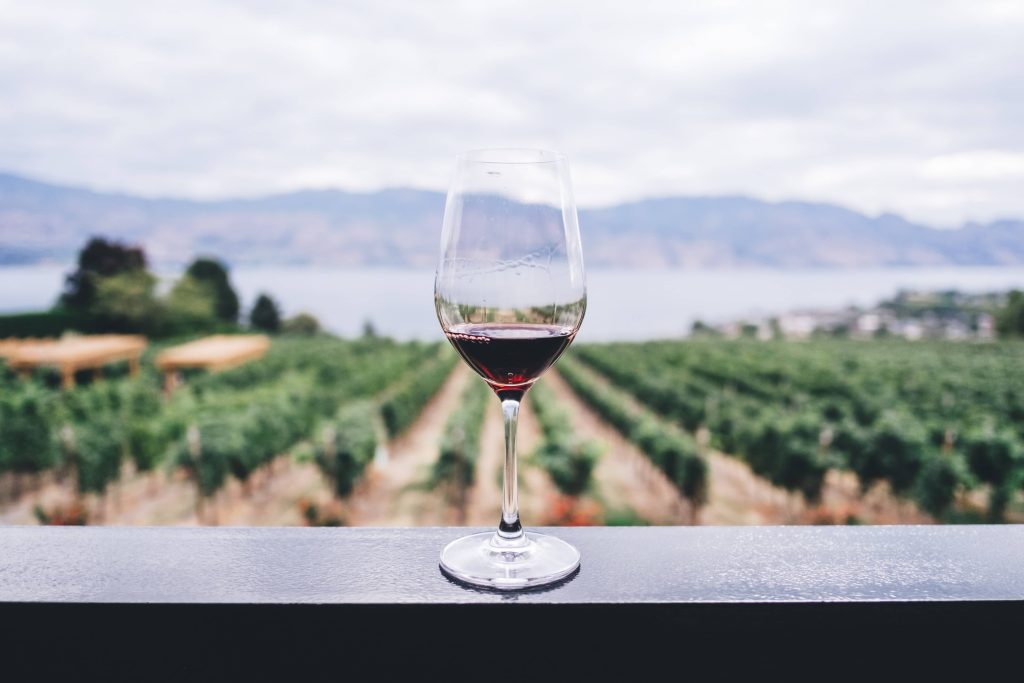
    The climate of Chile is one of the key factors that has enabled it to become one of the largest wine exporters in the world. With its unique geography and wide range of climates, this South American country offers ideal conditions for growing high-quality grapes.

    Chile stretches from the Atacama Desert in the north to Patagonia in the south, encompassing a wide range of climates and microclimates. This climatic diversity is a result of the combination of the Pacific Ocean’s influence and the presence of the Andes mountain range. These geographical conditions create a natural barrier that protects the country from common diseases and pests found in other wine regions.

    In northern Chile, the climate is desert-like, with little rainfall and extremely high temperatures during the day. This region is ideal for growing grape varieties such as Muscat and Pedro Ximénez, primarily used for the production of sweet wines and piscos.

    As we move towards central Chile, the climate becomes Mediterranean, with hot, dry summers, and mild, wet winters. These conditions are perfect for growing red grapes such as Cabernet Sauvignon, Merlot, and Carmenere, which have become the country’s most emblematic varieties.

    In the central region, we also find the Casablanca Valley, known for its cool climate and the influence of the Pacific Ocean. This allows for the cultivation of white grapes like Chardonnay and Sauvignon Blanc, which produce fresh and aromatic wines.

    As we delve into southern Chile, the climate becomes cooler and wetter, with mild and rainy summers. This region is ideal for growing grapes like Pinot Noir and Riesling, used to produce high-quality and elegant wines.

    Chile’s climatic diversity allows winemakers to adapt and experiment with different grape varieties in various regions. This has led to the production of internationally recognized, high-quality wines that are in demand worldwide.

    In summary, Chile’s climate, with its diversity and ideal conditions for grape cultivation, has been a determining factor in its position as one of the world’s largest wine exporters. The combination of the Pacific Ocean’s influence, the Andes mountain range, and the country’s unique geography has created an environment conducive to the production of high-quality wines, positioning Chile as a global winemaking powerhouse.

  • How are wine tastings conducted?

    How are wine tastings conducted?

    How are wine tastings conducted?

    Are you passionate about wine and would like to learn how to do wine tastings like an expert? Look no further! In this post, we will guide you through the exciting process of conducting wine tastings, so you can fully enjoy this sensory experience. Follow these simple steps, and you’ll be on your way to becoming an expert wine taster in no time.

    Step 1: Preparation Before starting the wine tasting, it’s important to prepare the right environment. Find a quiet and well-lit place where you can fully focus on the wine’s aromas and flavors. Make sure to have clean, odor-free wine glasses, as any residual smells can negatively affect the tasting experience.

    Step 2: Wine Selection Choose a variety of wines you wish to taste. You can opt for a vertical tasting, where you taste different vintages of the same wine, or a horizontal tasting, where you taste different wines from the same vintage. You can also select wines from different regions or grape varieties to broaden your knowledge.

    Step 3: Visual Observation Pour a small amount of wine into your glass and observe its visual appearance. Look at the color, intensity, and nuances. Tilt the glass slightly and see if the wine leaves tears on the glass walls. These visual details can provide clues about the wine’s age and style.

    Step 4: Aromas and Scents Approach the glass and smell the wine. Try to identify different aromas and scents, such as fruits, spices, flowers, or earthy notes. Don’t be afraid to use your imagination to describe the aromas you perceive. You can gently swirl the glass to release more aromas.

    Step 5: Taste Analysis Finally, we arrive at the most awaited moment: tasting the wine. Take a small sip and let it travel across your palate. Pay attention to the acidity, body, tannins, and the length of flavor. Try to identify the primary, secondary, and tertiary flavors of the wine. Can you detect notes of ripe fruits, spices, or oak?

    Step 6: Evaluation and Enjoyment Once you have analyzed all aspects of the wine, take a moment to evaluate it as a whole. Do you like it? Is it balanced and complex? Would you like to pair it with any particular food? Remember that wine tasting is subjective, and each person can have different preferences.

    Congratulations! You now have the basic knowledge to conduct wine tastings like a professional. Constant practice will help you develop your palate and appreciate even more the nuances and diversity of wines. So, open a bottle, invite your friends, and enjoy an unforgettable wine tasting experience!